 Auckland
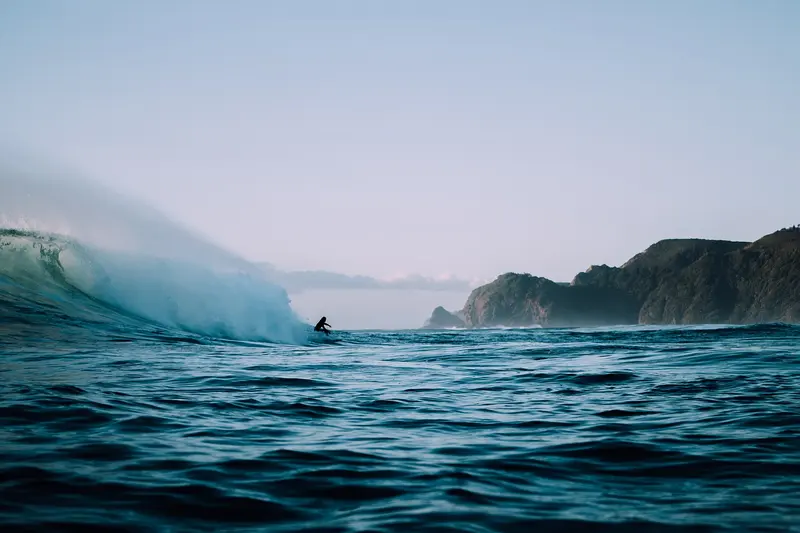
Piha
Piha, Auckland's west coast
A black-sand west coast beach divided by Lion Rock, with powerful surf and strong rips. Lifeguards patrol over summer.
IntermediateExperienced only
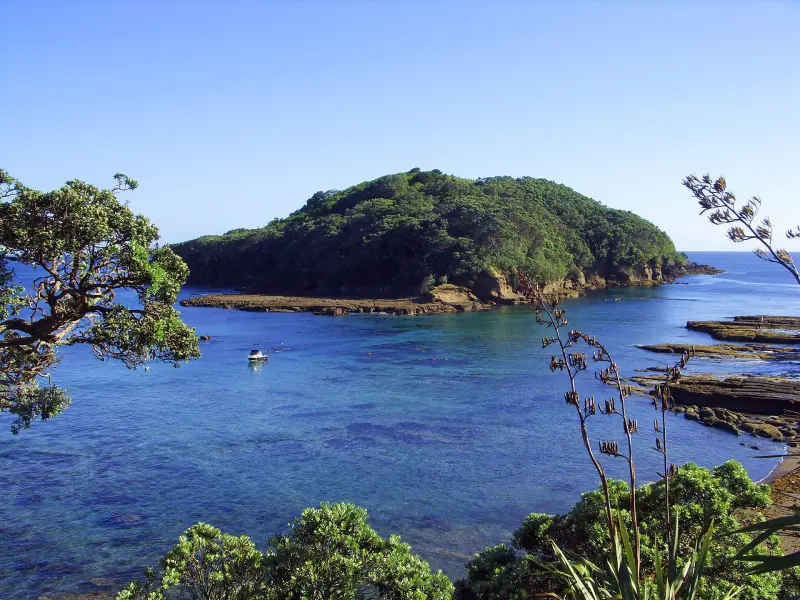
Photo: “Goat Island” by Korkut Tas, CC BY-SA 3.0, via Wikimedia Commons
The Cape Rodney-Okakari Point Marine Reserve, better known as Goat Island, was New Zealand's first marine reserve, created in 1975. It stretches from Cape Rodney to Okakari Point and covers the water up to 800 m from shore, including Te Hāwere-a-Maki/Goat Island itself.
DOC says the reserve offers some of the best snorkelling and diving close to Auckland. Because nothing can be taken, the fish are "abundant and friendly". The University of Auckland's Leigh Marine Laboratory sits next to the reserve and studies how a marine ecosystem works without harvesting.
People have died at this marine reserve. DOC recommends that you don't swim, snorkel or dive when there are:
It can be unsafe even in calmer conditions, so be realistic about your skills. If you're unsure, stay out. DOC suggests checking wind and swell on a surf forecast for Goat Island. Note that the surf rating colours are for surfing, not snorkelling.
DOC describes seaweed forests, sponge gardens and the creatures of the rocky shore, with plenty of fish. Sightings vary with conditions and visibility.
Goat Island Dive & Snorkel offers guided snorkel tours, boat trips, gear hire and scuba diving at the reserve. It operates seasonally, so check its opening dates before you go. A wetsuit is a good idea, as the water is cool for much of the year.
On a wet day, the Goat Island Discovery Centre is a good place to learn about the marine ecosystem.
The reserve is near Leigh, about an hour and a half's drive north of Auckland. Take SH1 to Warkworth and follow the Goat Island Marine Reserve signs.
No dogs are allowed anywhere in the area.
Everything in the reserve is protected:
Help stop the spread of exotic caulerpa seaweed by making sure your gear is free of seaweed before you move to another spot. Read our full marine reserve rules guide.
Motu Hāwere (Te Hāwere-a-Maki) is central to the identity of Ngāti Manuhiri. The name is associated with Maki, who led the conquest of the area in the late 17th century and was the father of Manuhiri, the iwi's founding ancestor.
Tāwharanui Regional Park, to the south, has beaches, walks and a campground.
The pin marks: Te Hāwere-a-Maki / Goat Island (-36.2653, 174.7977). It shows the general area, not a specific car park, lift or access point, so follow the operator's directions. Plan a route on OpenStreetMap (opens in a new tab).
Location data: OpenStreetMap contributors (ODbL 1.0).
We list operators to help you plan. We're not paid to include them and don't earn commission from these links.
Guided snorkel tours, boat trips, gear hire and scuba diving
 Northland
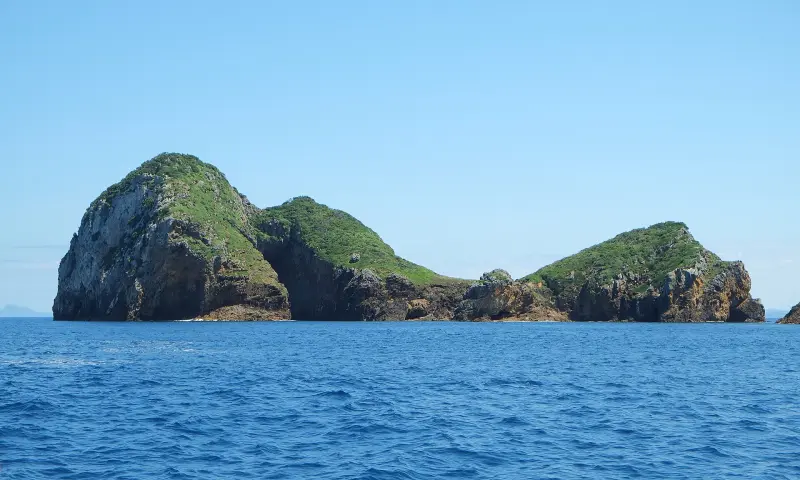
Off the Tutukaka Coast, Northland
Volcanic islands riddled with caves, arches and sheer walls. The marine reserve was created in 1981 and fully protected since 1998, and is reached by boat.
 Coromandel
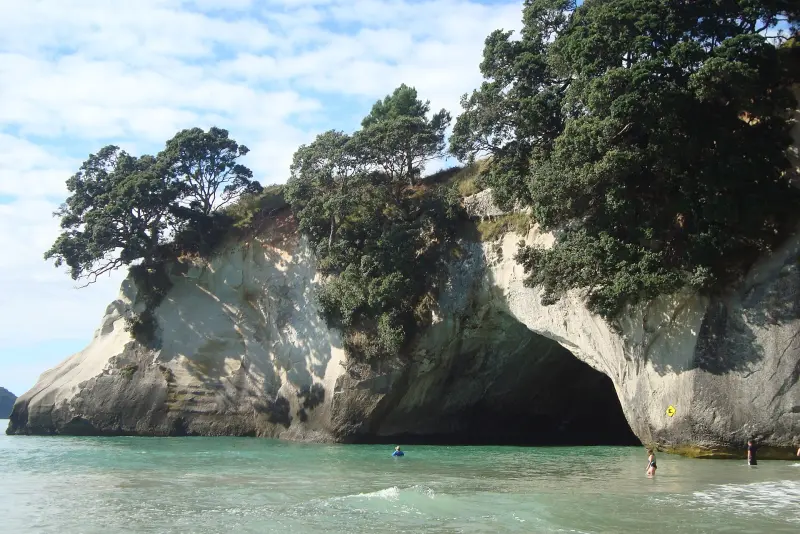
Hahei, Coromandel Peninsula
A small boulder beach in Te Whanganui-o-Hei Marine Reserve with a marked snorkel trail: buoys carry information panels and handles to hold.