 Auckland
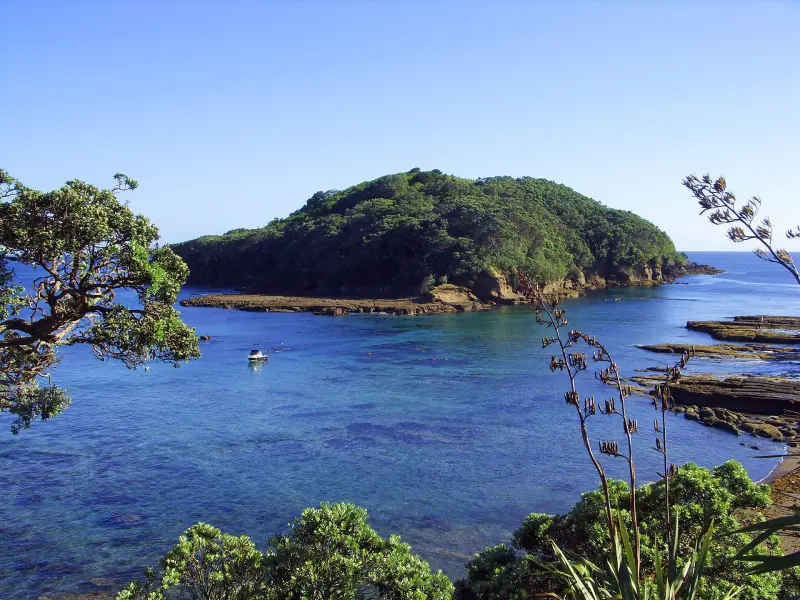
Goat Island Marine Reserve
Leigh, north of Auckland
New Zealand's first marine reserve, created in 1975. DOC says it offers some of the best snorkelling close to Auckland, with abundant, friendly fish.
Beginner-friendly
Snorkelling guide
Marine reserves are New Zealand's highest level of marine protection. They're set up under the Marine Reserves Act 1971. There are 44 of them, from the Kermadec Islands in the far north to the Subantarctic Islands in the south. They're for everyone to enjoy: you're welcome to swim, snorkel, dive and kayak in them.
Because nothing can be taken, ecosystems in reserves are often healthier. DOC's report card for Goat Island says its ecosystems are healthier and in a more natural state than those outside its boundaries.
DOC sums them up simply. Inside a marine reserve:
It's also an offence to discharge a firearm into a reserve or to build any structure in it.
For snorkellers, it comes down to this: look, don't touch, and leave everything where you found it.
These rules matter to snorkellers too, because they protect you in the water:
Penalties under the Marine Reserves Act can include confiscation of equipment, vessels or vehicles, fines and imprisonment. DOC says the most serious breaches can lead to prosecution and jail.
In its December 2025 reminder, DOC reported 24 cases of marine reserve rules being broken over summer 2024–25. Two-thirds of reported offences over five years happened between October and March.
Boundaries aren't always obvious from the water. DOC says reserve locations are available online and in the MarineMate app, and there's signage at boat ramps and wharves. Many reserves also have physical boundary markers.
DOC asks visitors to watch for exotic caulerpa, an invasive seaweed. Check your gear and boat for seaweed before moving between sites. If you see something unusual, photograph it, note the location and report it to the Ministry for Primary Industries on 0800 80 99 66.
If you see someone taking anything from a reserve, report it as soon as possible:
Useful details include boat descriptions, what people were doing, and where and when you saw it. DOC treats all information in confidence.
AucklandLeigh, north of Auckland
New Zealand's first marine reserve, created in 1975. DOC says it offers some of the best snorkelling close to Auckland, with abundant, friendly fish.
 Northland
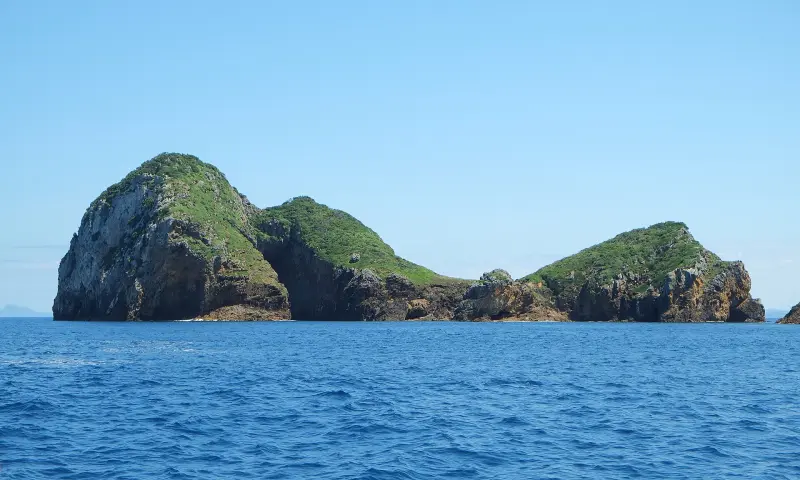
Off the Tutukaka Coast, Northland
Volcanic islands riddled with caves, arches and sheer walls. The marine reserve was created in 1981 and fully protected since 1998, and is reached by boat.
 Coromandel
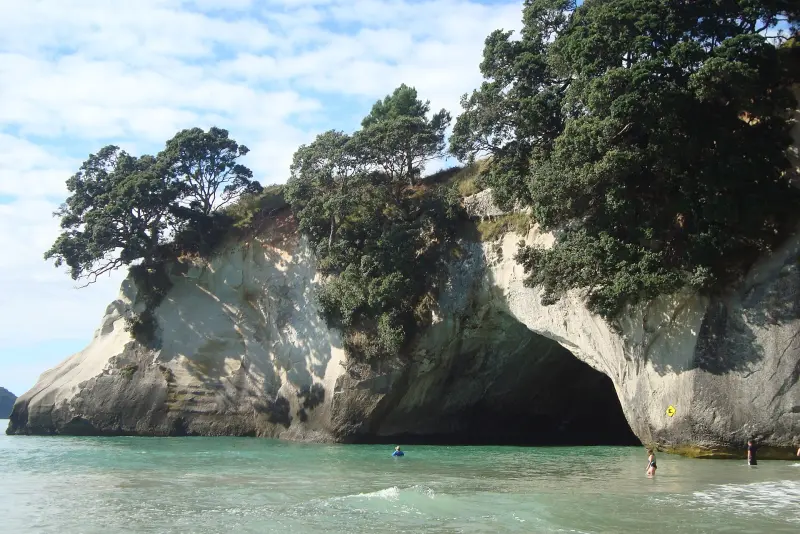
Hahei, Coromandel Peninsula
A small boulder beach in Te Whanganui-o-Hei Marine Reserve with a marked snorkel trail: buoys carry information panels and handles to hold.