 Auckland
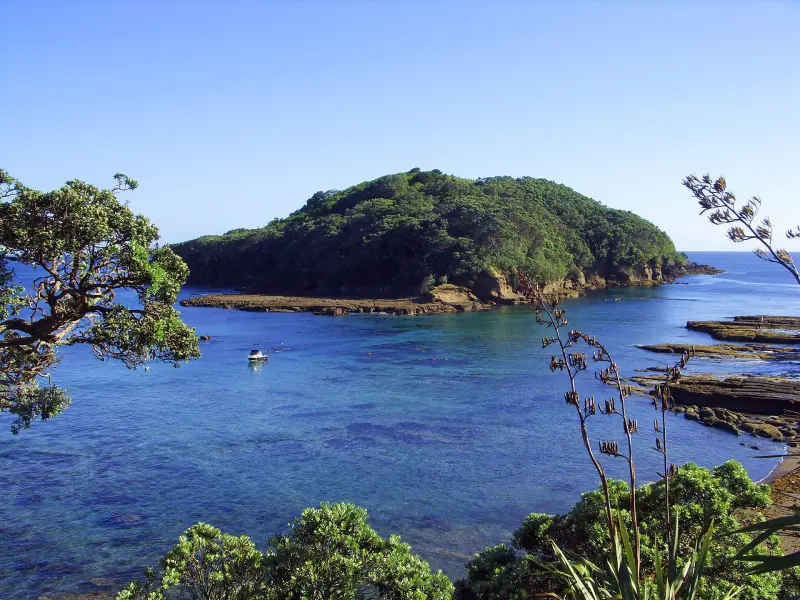
Goat Island Marine Reserve
Leigh, north of Auckland
New Zealand's first marine reserve, created in 1975. DOC says it offers some of the best snorkelling close to Auckland, with abundant, friendly fish.
Beginner-friendly
Explore · Snorkelling
Photo: “Goat Island” by Korkut Tas, CC BY-SA 3.0, via Wikimedia Commons
New Zealand's marine reserves are the best places to put your face in the water. Fish are more abundant and less wary where nothing can be taken. These guides cover the top spots, what you might see, and how to snorkel safely in cool, open water.
Browse by island or region, then open a guide for conditions, access and local operators.
AucklandLeigh, north of Auckland
New Zealand's first marine reserve, created in 1975. DOC says it offers some of the best snorkelling close to Auckland, with abundant, friendly fish.
 Northland
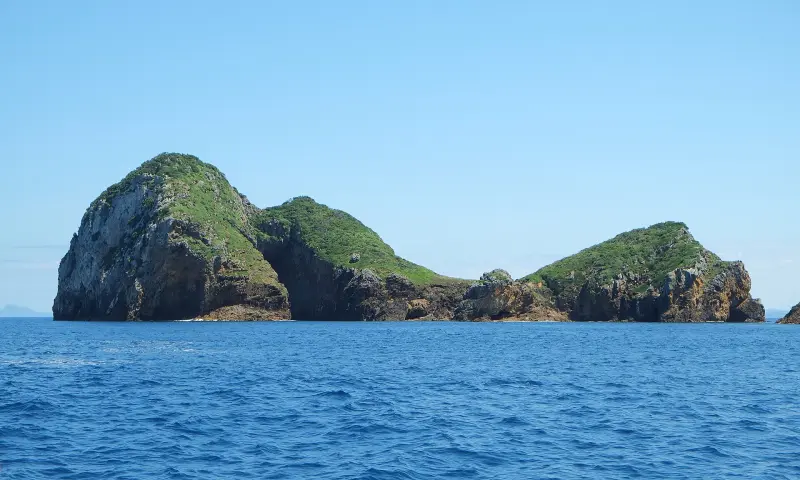
Off the Tutukaka Coast, Northland
Volcanic islands riddled with caves, arches and sheer walls. The marine reserve was created in 1981 and fully protected since 1998, and is reached by boat.
 Coromandel
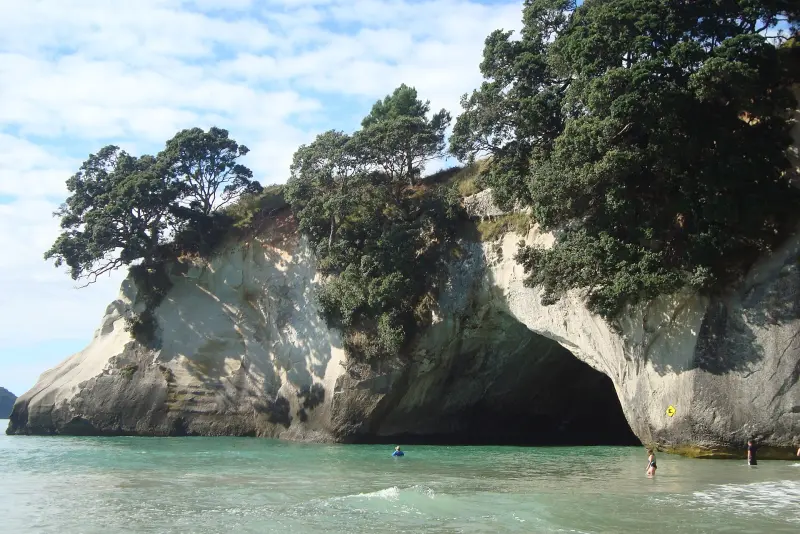
Hahei, Coromandel Peninsula
A small boulder beach in Te Whanganui-o-Hei Marine Reserve with a marked snorkel trail: buoys carry information panels and handles to hold.
Pins show the general area of each destination, not exact access points or parking. Every destination is also listed above.
Location data: OpenStreetMap contributors (ODbL 1.0).
New Zealand has 44 marine reserves, from the Kermadec Islands to the Subantarctic Islands. They're no-take areas: no fishing, no taking or damaging marine life, and no removing shells or rocks. Fish are often more abundant and approachable inside reserves. DOC describes the fish at Goat Island as "abundant and friendly".
All three of our featured spots are marine reserves. Read the marine reserve rules before you go.
New to snorkelling? Start with our beginner's guide.
What you see changes with the season and conditions, so treat these as possibilities, not promises:
New Zealand water is cool, even in summer. At the Poor Knights, Dive! Tutukaka puts the warmest water at 20–23 °C (December–March). A wetsuit keeps you warm and adds buoyancy. The Friends of Te Whanganui-o-Hei suggest bringing a mask, snorkel, wetsuit and "extra floaty things" for Gemstone Bay.
We're not paid to list these operators.
Goat Island (Cape Rodney-Okakari Point Marine Reserve) near Leigh is about an hour and a half's drive north of Auckland. DOC says it offers some of the best snorkelling close to the city. Only go in when it's calm.
Yes. Waimata/Gemstone Bay in the Te Whanganui-o-Hei Marine Reserve near Hahei has marker buoys with information panels about the sea life below, and handles you can hold while you rest.
No. DOC prohibits feeding fish in marine reserves because it disturbs their natural behaviour. You also can't take or disturb any marine life, shells or rocks.
Yes, on a guided boat trip. Operators such as Dive! Tutukaka provide snorkelling gear, but you'll be swimming in open water off a boat, so you should be comfortable in the sea.
A wetsuit is strongly recommended. It keeps you warm and adds buoyancy. Even at the subtropical Poor Knights, the water is about 20–23 °C at its warmest in summer.