 Waikato
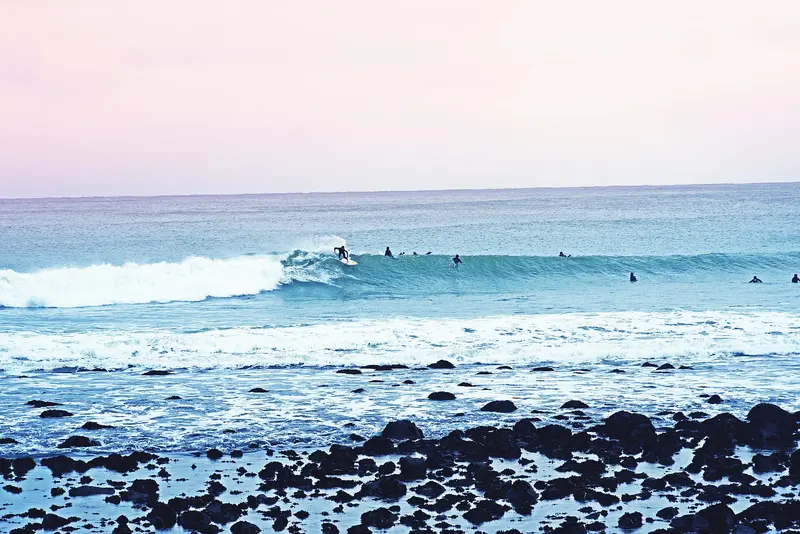
Raglan
Raglan, Waikato west coast
A surf town built around a famously long left-hand point break. Learners use Ngarunui Beach; experienced surfers head to Manu Bay, Whale Bay and Indicators.
Beginner-friendlyIntermediateExperienced only
Explore · Surfing
Photo: “Braving the wave” by anja_r, CC0, via Wikimedia Commons
From the long left-hand point breaks of Raglan to the beach breaks of the Bay of Plenty, New Zealand has waves for first-timers and experienced surfers. These guides cover where to go, where to learn and how to stay safe in the surf.
Browse by island or region, then open a guide for conditions, access and local operators.
WaikatoRaglan, Waikato west coast
A surf town built around a famously long left-hand point break. Learners use Ngarunui Beach; experienced surfers head to Manu Bay, Whale Bay and Indicators.
 Auckland
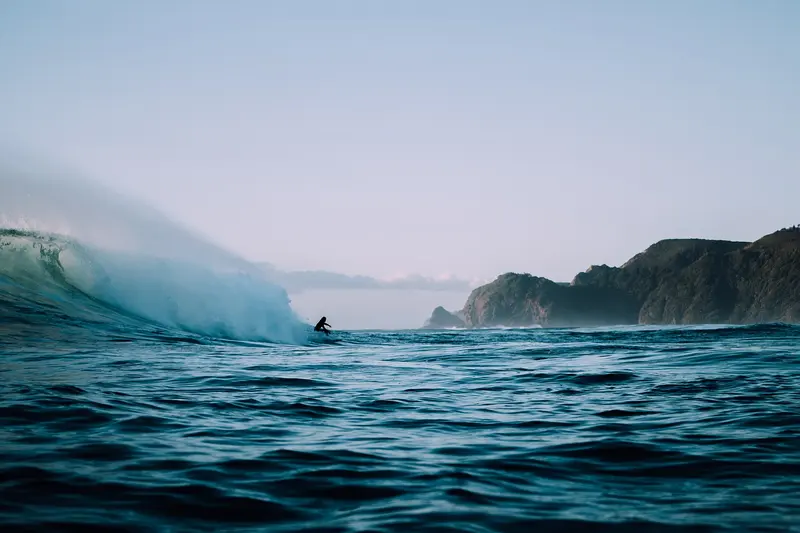
Piha, Auckland's west coast
A black-sand west coast beach divided by Lion Rock, with powerful surf and strong rips. Lifeguards patrol over summer.
 Bay of Plenty
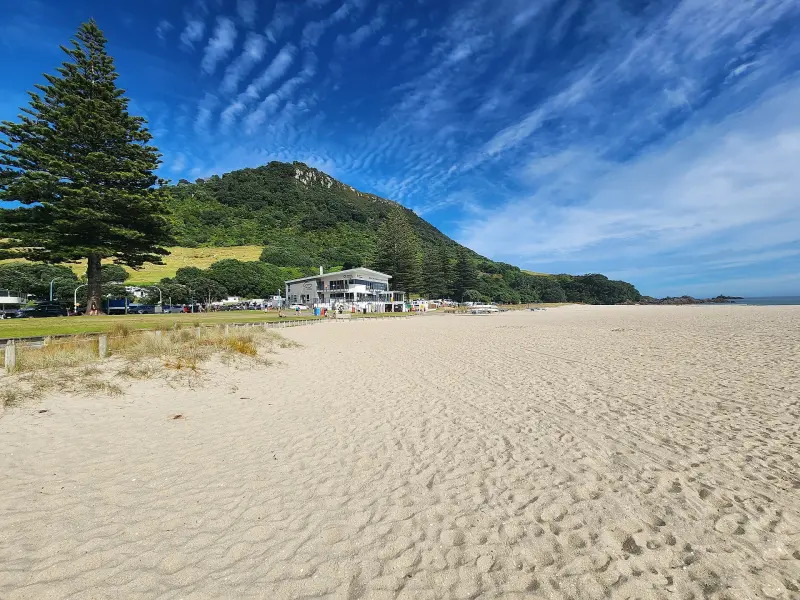
Main Beach, Mount Maunganui
The Bay of Plenty's busiest surf beach: a peaky beach break under Mauao, with warm summer water and plenty of surf schools.
Pins show the general area of each destination, not exact access points or parking. Every destination is also listed above.
Location data: OpenStreetMap contributors (ODbL 1.0).
New Zealand's two main coasts surf very differently. The west coast faces the Tasman Sea and is known for powerful swell. That's where you'll find the famous left-hand point breaks at Raglan and the heavy beach break at Piha. The east coast of the North Island, including the Bay of Plenty, is generally friendlier. Bay of Plenty Tourism describes its beaches as having "a break or bank for every surf level".
Use the destination guides above to compare spots, then check the forecast and lifeguard patrols before you paddle out.
Look for a sandy beach break with gentle waves, lifeguards in summer and a surf school on the beach:
Swell, not the calendar, decides a good surf day. Some seasonal patterns help, though:
A lesson is the quickest and safest way to start. Group lessons typically last 1.5 to 2 hours and include a surfboard and wetsuit. Instructors cover rips and ocean safety on the beach before you go in. Some schools set lesson times around the tide.
Each destination guide lists local surf schools. We're not paid to include them.
Surf Life Saving New Zealand's surfing advice:
Rips are one of the biggest hazards on New Zealand beaches. If you're caught in one, remember the 3Rs: Relax and float, Raise your hand, and Ride the rip until it weakens. Read our full surf safety guide.
The area between the red and yellow flags is for swimmers, so surf away from it. Check patrol times on Safeswim. In an emergency, call 111 and ask for the Police.
Take your rubbish with you, be friendly in the water and learn the local code. Raglan publishes a Surfers Code, and Bay of Plenty Tourism lists surf etiquette for its beaches.
Choose a sandy beach break with a surf school. Popular choices are Ngarunui (Ocean Beach) at Raglan, the middle of Mount Maunganui's Main Beach, and Waihī Beach or Pāpāmoa in the Bay of Plenty, where the waves are usually smaller. A lesson is the safest way to start.
It depends on the coast. Bay of Plenty Tourism says its best swell season runs from December to May, when tropical lows send swell and the water is at its warmest. Surf schools at Raglan's Ngarunui Beach teach year round. Always check a surf forecast for the day.
Most surfers wear one. Surf schools such as Hibiscus at Mount Maunganui hire wetsuits, and group lessons usually include a board and wetsuit. Even in the Bay of Plenty's warmest months, the water only reaches about 20–23 °C.
Piha has powerful surf and strong rips, so it isn't a place to teach yourself. If you want to learn there, take a lesson with a local school, and only swim between the red and yellow flags when lifeguards are on patrol.
Surf Life Saving NZ's advice is the 3Rs: Relax and float to save energy, Raise your hand to signal for help, and Ride the rip until it weakens before swimming back or waiting for help. Don't swim against the current. In an emergency, call 111 and ask for the Police.