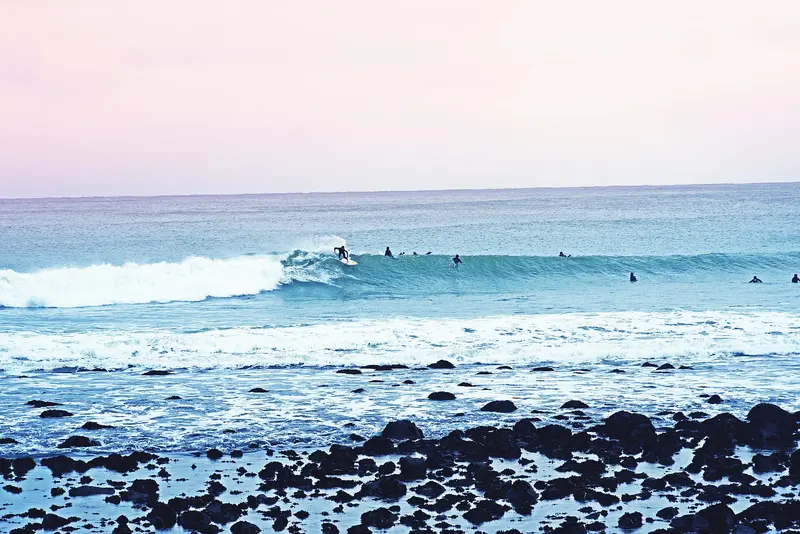
 Waikato
Raglan
Raglan, Waikato west coast
A surf town built around a famously long left-hand point break. Learners use Ngarunui Beach; experienced surfers head to Manu Bay, Whale Bay and Indicators.
Beginner-friendlyIntermediateExperienced only
Surfing guide
Surf Life Saving New Zealand (SLSNZ) reports 386 beach and coastal drownings in the last ten years, and says most were preventable. In summer, surf lifeguards patrol 93 locations, from Ahipara in Northland to Oreti in Southland. Many beaches aren't patrolled, and patrols only run at set times.
This guide covers the essentials for swimmers, learners and surfers.
SLSNZ names four major beach hazards:
Rips are hard to see. SLSNZ's signs to look for:
Bigger surf makes stronger rips. SLSNZ also describes flash rips, which can appear without warning in water that was safe moments earlier.
SLSNZ's core beach safety messages:
Check lifeguard patrol times on Safeswim before you go.
SLSNZ's surfing tips:
Keep your board out of the flagged swimming area. If you see someone in trouble, help if it's within your ability. Otherwise, raise the alarm.
Learners should start at a patrolled beach break with a surf school. See Raglan, Mount Maunganui, and our guide to learning to surf in New Zealand.
WaikatoRaglan, Waikato west coast
A surf town built around a famously long left-hand point break. Learners use Ngarunui Beach; experienced surfers head to Manu Bay, Whale Bay and Indicators.
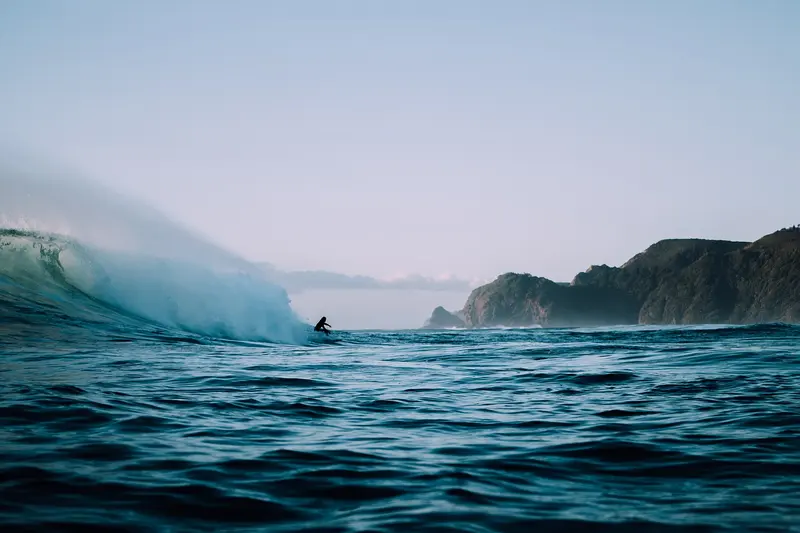 Auckland
Piha, Auckland's west coast
A black-sand west coast beach divided by Lion Rock, with powerful surf and strong rips. Lifeguards patrol over summer.
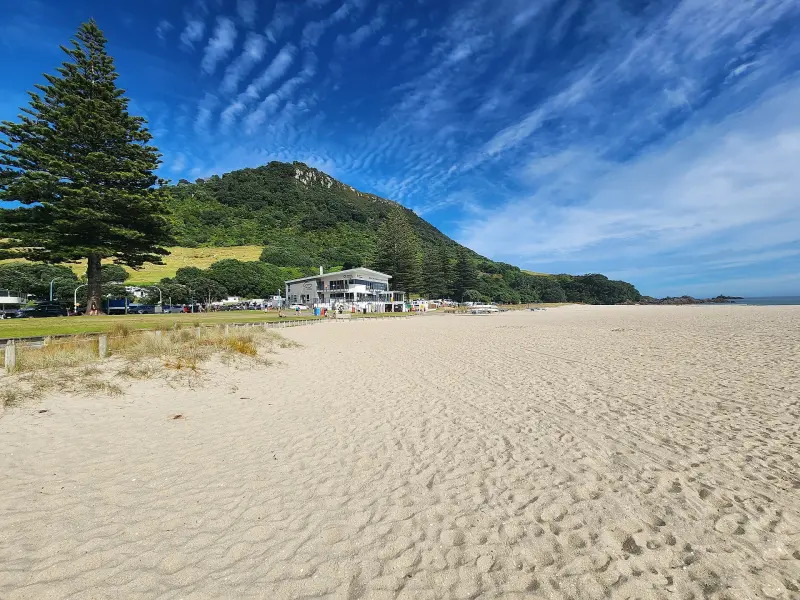 Bay of Plenty
Main Beach, Mount Maunganui
The Bay of Plenty's busiest surf beach: a peaky beach break under Mauao, with warm summer water and plenty of surf schools.