 Auckland
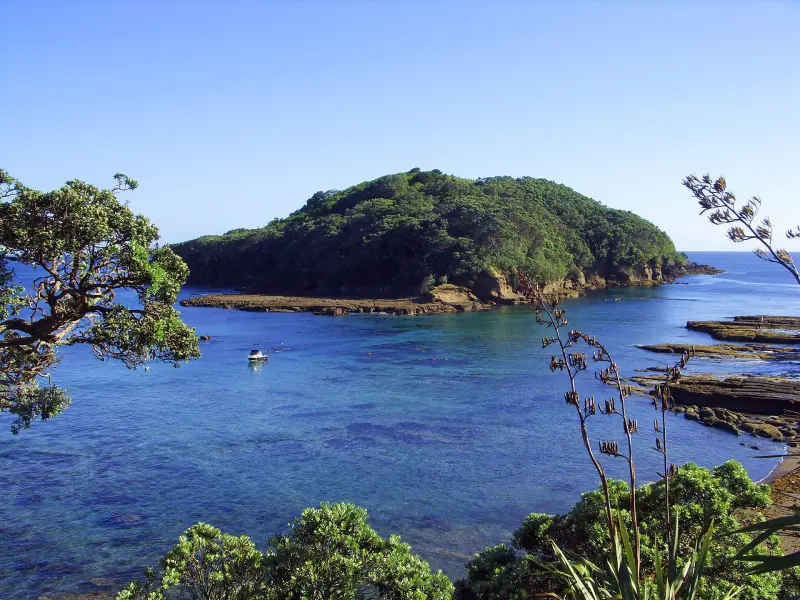
Goat Island Marine Reserve
Leigh, north of Auckland
New Zealand's first marine reserve, created in 1975. DOC says it offers some of the best snorkelling close to Auckland, with abundant, friendly fish.
Beginner-friendly
Snorkelling guide
If you've snorkelled in the tropics, expect cooler water, kelp forests instead of coral, and conditions that change with the wind and swell. The rewards are big, though. In New Zealand's marine reserves, fish are abundant and often curious.
Gear hire is available near some popular spots. Goat Island has a seasonal hire and tour operator.
Calm water makes snorkelling easier and safer. Visibility is usually better too. Use DOC's advice for Goat Island as a guide: it recommends not snorkelling in east or north-east winds over 20 knots or swells over a metre. It can still be unsafe in calmer conditions.
Before you go in:
Read the marine reserve rules before your first trip.
AucklandLeigh, north of Auckland
New Zealand's first marine reserve, created in 1975. DOC says it offers some of the best snorkelling close to Auckland, with abundant, friendly fish.
 Northland
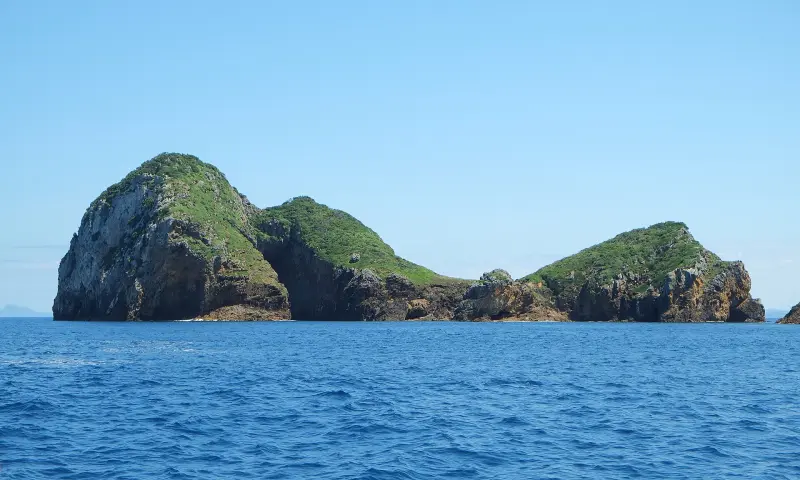
Off the Tutukaka Coast, Northland
Volcanic islands riddled with caves, arches and sheer walls. The marine reserve was created in 1981 and fully protected since 1998, and is reached by boat.
 Coromandel
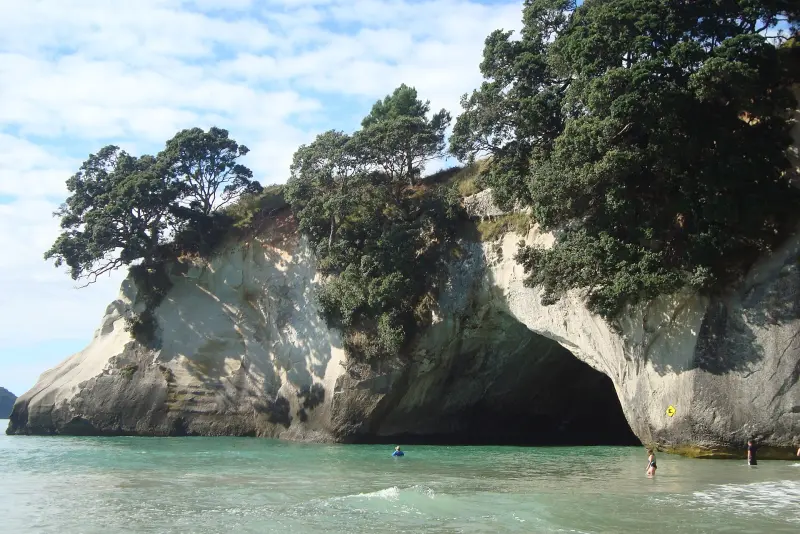
Hahei, Coromandel Peninsula
A small boulder beach in Te Whanganui-o-Hei Marine Reserve with a marked snorkel trail: buoys carry information panels and handles to hold.