Campervan rental guide
Campervan Rental Insurance in NZ Explained: Excess, Bonds and Exclusions
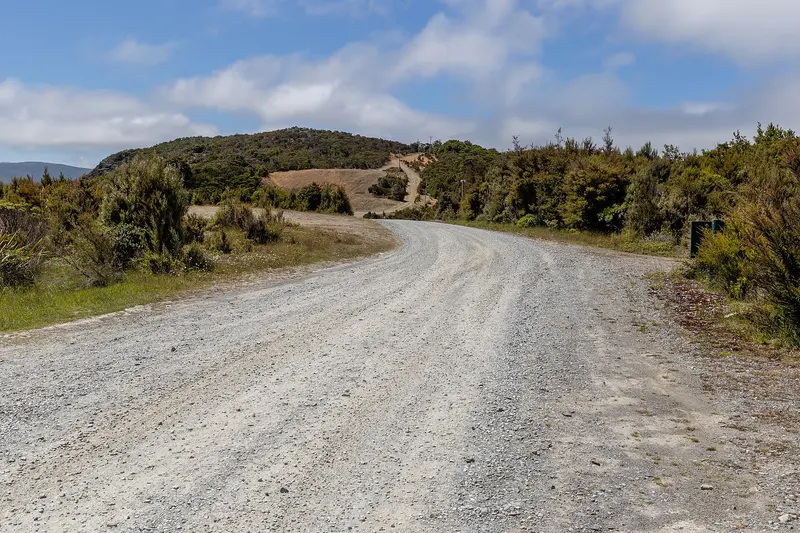
Photo: “Cobb Dam Rd, Kahurangi National Park, New Zealand 02” by Michal Klajban, CC BY-SA 4.0, via Wikimedia Commons
The basics: excess and bond
Most New Zealand campervan hires include basic insurance with an excess. That's the most you'll pay if the vehicle is damaged in a covered incident.
- Excess (or liability): your maximum contribution to covered damage. On basic cover it's often several thousand dollars.
- Bond: money held on your credit card at pick-up, usually linked to the excess. It's normally a hold, not a charge, and is released after the hire if there's no damage.
- Excess or liability reduction: a daily fee that lowers the excess and bond, sometimes to zero.
How the options usually compare
| Cover level | Daily cost | Bond held | What you'd pay after an accident |
|---|---|---|---|
| Basic (included) | None | Usually the full excess | Up to the full excess |
| Reduced excess | A daily fee | Smaller | A reduced amount |
| Zero excess | A higher daily fee | Little or none | Nothing for covered damage |
Higher cover costs more per day but cuts what you'd pay after an accident. Over a two-week hire the daily fee adds up, so weigh it against the bond and excess you'd otherwise risk. Get the actual figures from your quote.
Exclusions that catch people out
Even with zero excess, rental terms usually leave you responsible for some damage. Common exclusions include:
- damage from driving on unsealed (gravel) roads or beaches
- water damage, such as driving through flood or river water
- damage to the awning, roof (overhead) or underbody
- damage from the wrong fuel or misuse of snow chains
- lost keys, and damage caused by breaking the rental terms
Unsealed roads vary most between companies. Some allow most unsealed public roads, others restrict or exclude them. If gravel roads are on your route, check this first.
What about the bond on my card?
- You'll usually need a credit card with enough available limit. Debit and prepaid cards often aren't accepted for the bond.
- A hold can take time to release after the hire, so leave room on your card for the rest of your trip.
Questions to ask before you book
- What's the excess on the basic cover, and how much bond is held?
- What does each reduction option cost per day, and is there a cap?
- Are unsealed roads, roof and underbody damage and windscreens covered?
- Are tyres and windscreens included at your chosen level?
- Does my travel insurance or credit card cover rental vehicle excess? Read that policy carefully too.
Frequently asked questions
What is a campervan rental excess?
The excess is the most you'll pay towards damage covered by the rental's basic insurance. Paying for an excess or liability reduction option lowers that amount, sometimes to zero.
Is a bond the same as an excess?
They're linked. The bond is money held on your credit card at pick-up, often matching the excess, and released after the hire if there's no damage. Choosing a zero-excess option usually means a much smaller bond, or none.
Does reducing my excess to zero cover everything?
No. Rental terms usually still exclude some damage, such as damage from unsealed roads, water, the roof or underbody, and lost keys. Read the exclusions list before you choose a cover level.
Sources
More campervan guides
How to hire a campervan in NZ
Driver licences, minimum ages, choosing a vehicle and branch, pick-up day and returning the van.
Read more
Campervan vs motorhome
Size, bathrooms, beds, driving and cost: how to choose between a campervan and a motorhome for your NZ road trip.
Read more
Self-contained campervan rules
What certified self-contained means, the green warrant, and where you can and can't stay in a rental campervan.
Read more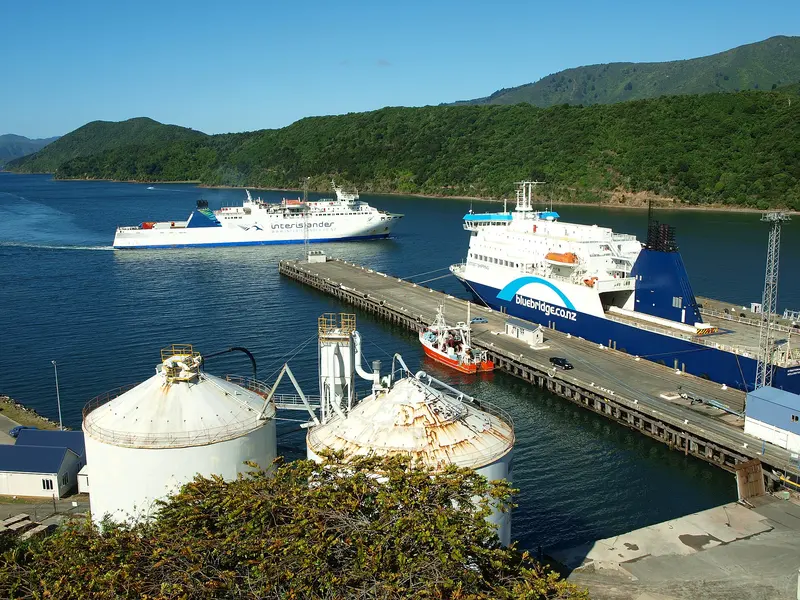
Campervan road trip planning
When to go, one island or two, the Cook Strait ferry, one-way hires, where to stay overnight and dump stations.
Read more
14-day South Island campervan itinerary
A Christchurch loop through Tekapo, Aoraki/Mount Cook, Wānaka, Queenstown, Fiordland and the West Coast, with distances and where to stay.
Read more