Camping guide · Ways to camp
Freedom Camping in New Zealand: Rules, Green Warrants and Fines
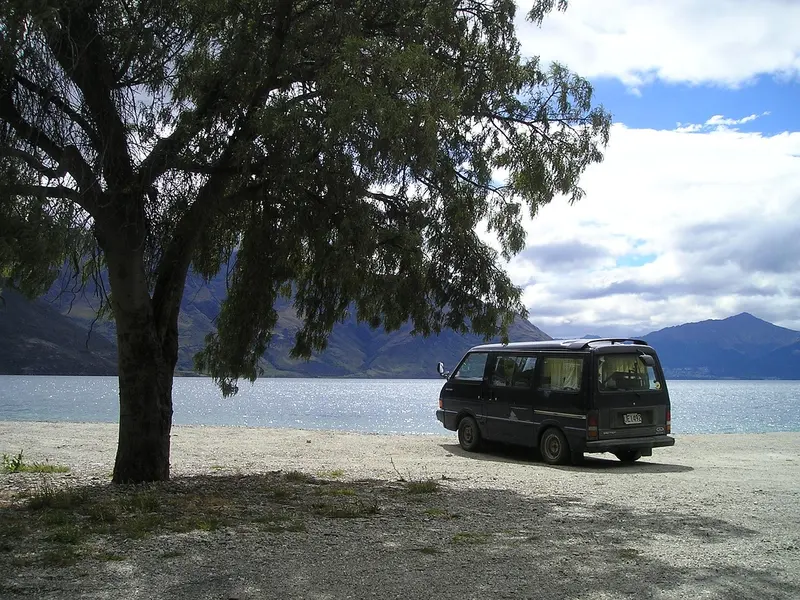
Photo by Simon on Pixabay (Pixabay Content License)
The short answer
You can freedom camp in many places in New Zealand, but not everywhere, and the rules depend on who manages the land and what you sleep in.
- Conservation land (DOC): Freedom camping is allowed unless a site is prohibited or restricted. It's not allowed in DOC scenic or recreation reserves unless there's a designated campsite.
- Council land: If you sleep in a vehicle, it generally has to be certified self-contained. Each council also has its own bylaws and may limit or ban camping in some places.
- Self-contained vehicles: Since 7 June 2026, every vehicle needs a green warrant to count as certified self-contained. Vehicles with a portable toilet no longer qualify.
If none of that suits your vehicle, a DOC campsite or holiday park is the legal and often cheap alternative.
What "freedom camping" means
Under the Freedom Camping Act 2011, freedom camping is a legal term for camping somewhere that isn't a designated campground and is within 200 m of:
- an area you can reach by motor vehicle,
- the low-tide line of the sea or a harbour, or
- a formed road or a Great Walk track (or on the road or track itself).
It covers camping in a vehicle (including a campervan), a tent, a bivvy or any other temporary shelter. The definition tells you what the law covers. It doesn't tell you where you're allowed to camp.
Freedom camping on DOC land
The Department of Conservation allows freedom camping on public conservation land except where it's prohibited or restricted:
- Scenic and recreation reserves: No freedom camping unless DOC provides or approves a designated campsite. Not every reserve has a "No camping" sign.
- Prohibited areas: No camping, even in a certified self-contained vehicle.
- Restricted areas: Camping is allowed with conditions, such as self-contained vehicles only, a maximum number of nights, or limited overnight spaces.
- Great Walks: Freedom camping is generally not permitted near Great Walk tracks. Use the huts and campsites instead. See our Great Walks guides.
DOC publishes a list of conservation areas where freedom camping is prohibited or restricted to self-contained vehicles. Check it before you plan an overnight stop.
Freedom camping on council land
District and city councils set their own freedom camping bylaws, so the rules change as you drive from one district to the next. In general:
- If you sleep in a vehicle on council land, it must be certified self-contained unless the council has set aside a site for other vehicles.
- Many councils publish maps of permitted spots with limits on nights and numbers.
- Signs on site tell you where camping is banned or limited to self-contained vehicles.
The self-containment law didn't change the rules for tent camping, for camping in a vehicle at a commercial campground, or for camping on private land with permission. Council bylaws can still restrict tents, though.
Self-contained vehicles and the green warrant
A certified self-contained vehicle carries its own fresh water, grey water and toilet waste tanks, so you leave nothing behind.
The rules changed in two key ways:
| What changed | What it means for you |
|---|---|
| Green warrant required from 7 June 2026 | Old blue warrants no longer count. Your vehicle needs a green warrant to be certified self-contained. |
| Fixed toilet only | Vehicles with a portable toilet can't be certified. The toilet must be fixed to the vehicle floor. |
| Display your warrant card | When camping in an area restricted to self-contained vehicles, display the warrant card in your vehicle. |
If you're hiring a campervan, ask the rental company whether it has a current green warrant before you book, if you plan to freedom camp.
The rules every freedom camper must follow
Wherever you camp, DOC asks you to:
- obey camping restriction signs
- deal responsibly with your waste, including toilet waste
- light no fires
- avoid damaging plants or wildlife
- be a considerate camper
Use proper dump stations for toilet and grey water. Few DOC campsites have one, so plan to empty tanks in towns. Never empty a chemical toilet into a campsite or public toilet.
Dogs
You can't freedom camp with a dog in a national park. On other conservation land and council land, dog rules vary, so check the local bylaw or DOC's dog access rules before you go.
Fines
Freedom camping offences carry infringement fees set by regulation. When the current regime started, MBIE gave examples such as:
- $400 for freedom camping in breach of a council bylaw
- $400 for camping in a self-contained vehicle with more people than it's certified for
- $600 for displaying an altered or fraudulent warrant card
- $800 for damaging plants or wildlife while freedom camping
Courts can impose higher maximum fines. Fees can change, so check MBIE's freedom camping pages for the current list.
Not self-contained? Your options
- DOC campsites: There are more than 320 across the country, many costing $10 to $20 per adult per night. Read our DOC campsites guide.
- Holiday parks: These have toilets, showers, kitchens and dump stations. See our holiday parks guide.
- Council campgrounds: Regional parks around Auckland have bookable campgrounds, including Te Hāruhi Bay at Shakespear.
Sources
- Department of Conservation: freedom camping and campervan pages
- MBIE: freedom camping changes and infringement offences
Check before you go
Prices, pet rules, closures and road access change. Confirm current details for Freedom camping in NZ on the official page before you book or travel.
DOC freedom camping rules