Paihia Travel Guide 2026 – Best Things to See & Do
Overview of Paihia
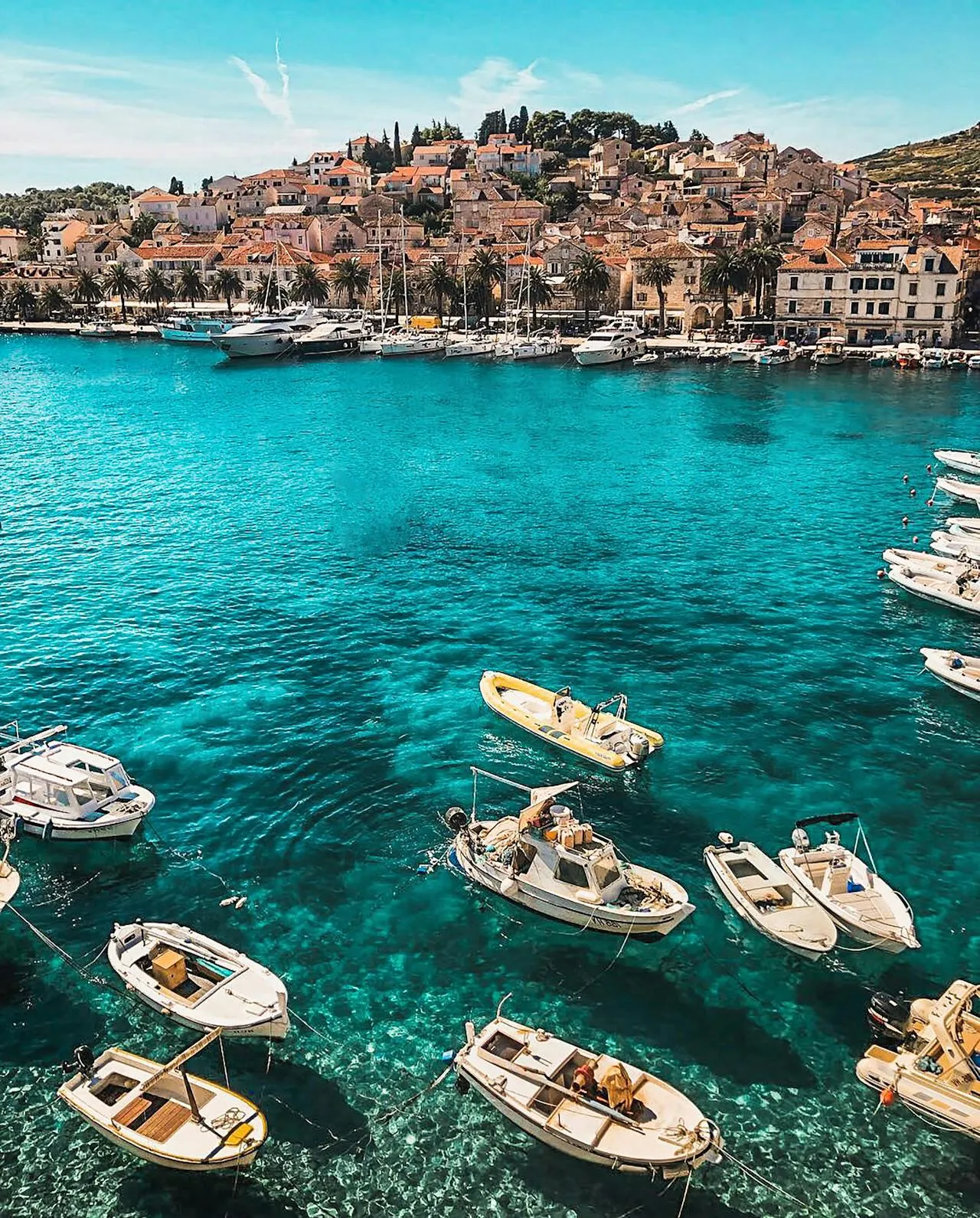
Paihia is a small waterfront town that serves as the main hub for exploring the Bay of Islands — one of New Zealand's most celebrated natural regions, encompassing 144 islands scattered across a sheltered subtropical bay at the top of the North Island. Despite its modest size (a permanent population of barely 2,000), Paihia carries enormous historical significance: the Waitangi Treaty Grounds, just 2 kilometres from the town centre, is where the Treaty of Waitangi was signed on 6 February 1840 between the British Crown and Māori chiefs — the founding document of New Zealand as a nation.
The Bay of Islands itself is extraordinary. The islands range from tiny rocky outcrops to substantial landmasses with walking tracks and beaches, and the bay's clear, warm waters support a rich marine ecosystem: bottlenose and common dolphins are regularly encountered, orca pass through seasonally, and the bay has long been regarded as among the world's finest game fishing locations. The pohutukawa trees that line the Paihia waterfront burst into vivid red flower in December, creating one of the most evocative images of a New Zealand summer.
Paihia is a launching point for cruises, kayaking, diving, fishing, and sailing rather than a destination in itself — most visitors base themselves here to explore the wider bay. The town has a pleasant laid-back character and a waterfront esplanade that is particularly appealing on summer evenings. Russell, the original capital of New Zealand, is just a short ferry ride across the bay and makes a worthwhile contrast to Paihia's more visitor-focused character.
Getting to Paihia
Paihia is approximately 3.5 hours north of Auckland via State Highway 1 — the drive through Northland's gentle rolling countryside is pleasant and passes through Whangarei, the region's only city. The Bay of Islands Airport at Kerikeri (KKE), 23 kilometres from Paihia, receives Air New Zealand flights from Auckland (45 minutes). Rental cars are available at the airport. InterCity coaches also connect Paihia with Auckland. Northlander coach services from Auckland's SkyCity terminal run directly to Paihia. Note that Paihia itself is not on the main SH1 route — the turnoff is at the small town of Kawakawa (notable for its Hundertwasser-designed public toilets, worth a brief stop).
Top Attractions in Paihia
Waitangi Treaty Grounds
The Waitangi Treaty Grounds occupy a headland between the Waitangi River and the Bay of Islands and constitute New Zealand's most important historic site — a place of profound significance to both Māori and Pākehā (European New Zealanders). The Treaty of Waitangi, signed here on 6 February 1840 between Lieutenant Governor Hobson and approximately 45 Māori chiefs, established British sovereignty over New Zealand and guaranteed Māori rights — its interpretation and application remain central to New Zealand politics and society to this day.
The grounds include the beautifully restored Treaty House (the 1834 residence of British Resident James Busby, where the treaty was drafted), a magnificent carved wharenui (meeting house) that is the largest in New Zealand, and a 36-metre waka taua (war canoe) that is launched on Waitangi Day (6 February) each year in an extraordinary ceremony. The interpretive centre opened in 2016 provides excellent context for understanding the treaty and its ongoing significance. Cultural performances incorporating haka, waiata, and storytelling are presented daily. Waitangi Day celebrations on 6 February are the most significant annual event and draw large crowds — book accommodation months in advance.
Bay of Islands Dolphin Cruise
A dolphin cruise on the Bay of Islands is the quintessential Paihia experience, and the bay rarely disappoints. Bottlenose dolphins are resident year-round in groups of up to 400 individuals — the largest resident bottlenose dolphin population in New Zealand — and encounter rates on organised tours are extremely high. Common dolphins, which move through the bay seasonally, are spectacular in large groups that frequently number in the hundreds.
Most cruise operators offer a guarantee policy: if you don't see dolphins, you can join another cruise for free. Swimming with dolphins is possible on some tours when the dolphins are willing (strict regulations govern interaction distances and swimmer behaviour — the dolphin's voluntary participation is essential). Full-day island cruises typically take in the Hole in the Rock at Cape Brett, the Poor Knights Islands (visible in the distance), and multiple island beaches. Half-day options are available for those with limited time. The Cream Trip — a mail delivery route to remote bay residents that has operated for decades — offers a particularly authentic way to experience the many islands and communities of the bay.
Advertisement
Hole in the Rock (Cape Brett)
The Hole in the Rock — a sea cave punched through a rocky headland at Cape Brett, at the outer reaches of the Bay of Islands — is the bay's most dramatic natural feature and the highlight of most full-day cruises. The passage through the rock (dependent on sea conditions and vessel size) is exhilarating, and the rock itself — a massive basalt headland rising from the sea at the entrance to the Pacific — is extraordinarily imposing in context.
The cruise to Cape Brett from Paihia takes approximately 90 minutes each way, passing dozens of islands, through channels rich in marine life, and along coastline accessible only by sea. Snorkelling stops at sheltered coves, fishing lines over the side on some operators' boats, and the chance encounter with diving gannets or a playful pod of common dolphins make the journey as rewarding as the destination. Cape Brett Lighthouse, perched high on the headland at the rock, has been automated since 1978 but can be reached by a challenging 16-kilometre return walking track for those wanting to earn a different perspective on the outer bay.
Haruru Falls
Haruru Falls is one of Northland's most beautiful and accessible natural attractions — a horseshoe-shaped waterfall on the Waitangi River just 3 kilometres inland from the Treaty Grounds and easily visited in combination with a Waitangi Day trip. The falls drop about four metres over a broad basalt ledge in a satisfying plunge of white water that is particularly impressive after heavy rain. The surrounding riverine forest of mature kāhikatea and tree ferns creates a lovely atmosphere and offers good birdwatching, particularly for tūī and kingfisher.
The walk from the Waitangi car park to the falls follows the river bank through mangrove-fringed estuary in the lower reaches before reaching the forest and the falls themselves — a 40-minute return walk that is flat and suitable for all fitness levels. Kayaking to the falls from Paihia is a popular alternative: several operators offer guided kayak tours up the Waitangi River to the falls, paddling through mangrove channels that teem with birdlife and provide an intimate perspective on the Northland coastal ecosystem. The combination of kayaking, waterfall, and a visit to the Treaty Grounds makes for an excellent full-day Waitangi River experience.
Russell — Historic Village
Russell, across the bay from Paihia on the eastern shore, holds the distinction of having been New Zealand's first European settlement and first capital — though its history in that role is turbulent. In the 1830s, Kororāreka (as it was known) was a lawless whalers' port infamous across the Pacific for its rough reputation. The settlement was sacked and burned in 1845 by the warrior chief Hone Heke, who four times cut down the British flagpole in defiance of Crown authority, precipitating the Northern War.
Today Russell is one of the most charming and historically atmospheric towns in New Zealand — a small community of Victorian-era wooden buildings, pohutukawa trees, and excellent restaurants arranged around a beautiful bay. The Pompallier Mission (1842), the oldest surviving Catholic building in New Zealand, offers guided tours. Flagstaff Hill provides panoramic views and context for the 1845 conflict. The Russell Museum covers the colonial and whaling history. Russell is accessed from Paihia by a regular passenger ferry (15 minutes) or by road via Opua. The drive around the bay takes about 50 minutes; the ferry is far more convenient.
Best Time to Visit Paihia
The Bay of Islands has a warm, subtropical climate that makes it one of New Zealand's most appealing year-round destinations. Summer (December–February) is peak season: warm, long days ideal for water activities, the bay calm and blue, dolphin encounter rates at their highest. Christmas and New Year bring full visitor numbers — book accommodation months ahead. Waitangi Day (6 February) is the biggest annual event and draws large crowds; it is a significant and worthwhile experience but book everything very early. Autumn (March–May) is excellent: warm water, reduced crowds, and lower accommodation prices. Winter (June–August) is mild (rarely below 10°C), the bay is quieter, and fishing for marlin and other game fish is at its peak.
Where to Stay
Paihia's accommodation is concentrated along the waterfront and on the surrounding hillsides. The Paihia Beach Resort and Spa is the most upscale waterfront option. The Swiss Chalet Motor Lodge is a long-established family-friendly option with comfortable studios. Allegra House and Saltwater Lodge are popular boutique guesthouses. Budget travellers are well served by Base Backpackers on Williams Road. Russell has excellent boutique accommodation including the Duke of Marlborough Hotel (the oldest licensed premises in New Zealand, since 1840) and the scenic Russell Top 10 Holiday Park.
Food & Drink
Paihia's restaurant scene is concentrated along the waterfront esplanade, with most options offering outdoor seating and bay views. Charlotte's Kitchen is a long-running favourite for fresh local seafood. El Cafe on Williams Road serves excellent coffee and brunch. Russell's restaurant strip, accessible by ferry, offers generally higher quality dining in a more intimate setting — the Duke of Marlborough's restaurant is consistently regarded as the best in the bay. Fresh local seafood — snapper, kahawai, mussels, and crayfish — is the highlight throughout the region.
Practical Travel Tips
- Waitangi Day: If visiting on or near 6 February, book everything months ahead. The Waitangi Day commemorations are moving and important but require planning.
- Water taxi: For independent island exploration, water taxis from the Paihia wharf can drop you at remote beaches and collect you at an agreed time.
- Russell: Don't miss it — the 15-minute passenger ferry is cheap and the historic town is the highlight of many Bay of Islands visits.
- Cape Reinga: New Zealand's spiritual northernmost tip is 3 hours from Paihia; a day tour is worthwhile for those with time.
Stay in Paihia
Find the best deals on hotels and accommodation in Paihia for your holiday getaway.
Browse Hotels