Invercargill Travel Guide 2026 – Best Things to See & Do
Overview of Invercargill
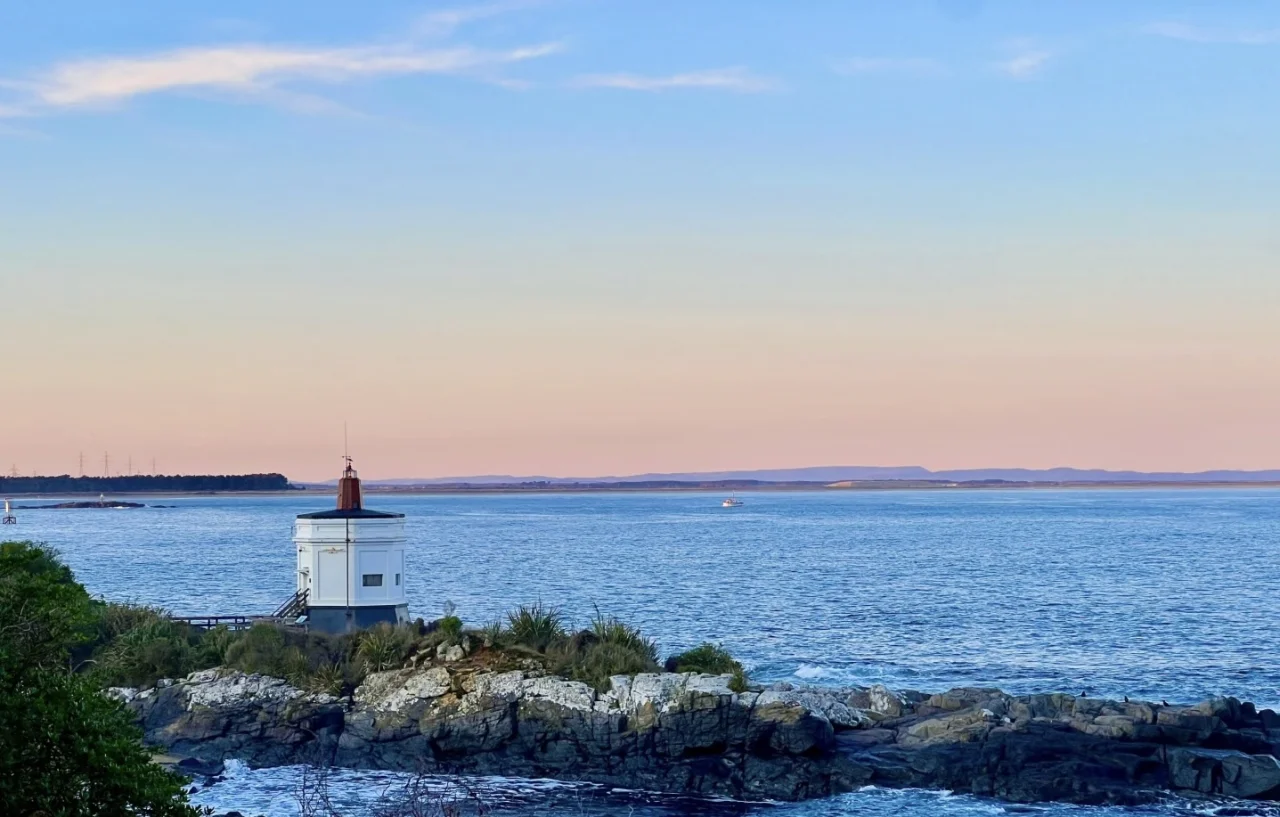
Invercargill — Waihōpai in te reo Māori — is New Zealand's southernmost city and one of the most southerly in the world, sitting at 46 degrees south latitude on the flat Southland Plains just 27 kilometres from Bluff, the southernmost point of the South Island's main road network. It is from Invercargill that visitors set off for two of New Zealand's most remote and remarkable destinations: Stewart Island/Rakiura to the south and the extraordinary wilderness of Fiordland National Park to the west.
The city of around 55,000 has a distinctive character shaped by its Scottish heritage, its agricultural base (Southland is one of New Zealand's most productive dairying and farming regions), and a proud civic identity that coexists with an awareness of its geographic peripherality. The wide, straight streets (several named after Scottish rivers — Dee, Tay, Esk) give the city centre an open, spacious feel that contrasts with New Zealand's more compact urban centres. The architecture ranges from impressive Art Deco and Edwardian heritage buildings to functional modern commercial structures.
Invercargill is known throughout New Zealand for its oysters — the Bluff oyster (named for the port town to the south) is regarded as the finest oyster in the country and among the best in the world, available fresh from May to August when the dredging season is open. The city's cold, clear air and extraordinary proximity to the ocean give it a bracing, end-of-the-world quality that those attuned to it find deeply appealing. And for the record: Invercargill has produced a remarkable proportion of New Zealand's most distinguished citizens, including the motorcycle racing legend Burt Munro, whose story is told in the film The World's Fastest Indian.
Getting to Invercargill
Invercargill Airport (IVC) receives Air New Zealand direct flights from Christchurch (1 hour), Wellington (1.5 hours), and Auckland (2.5 hours). Stewart Air and Scenic Flights operate connections to Stewart Island. By road, Invercargill is approximately 3 hours south of Queenstown via State Highway 6 through Gore and the Southland Plains, or 3.5 hours south of Dunedin via State Highway 1. The drive from Queenstown through the Southland landscape — particularly the Hokonui Hills and the Mataura River valley — is pleasant in its own right. InterCity coaches connect Invercargill with Queenstown, Dunedin, and Christchurch.
Top Attractions in Invercargill
Southland Museum & Art Gallery
The Southland Museum and Art Gallery occupies a distinctive pyramidal building in the Queens Park reserve and is notable for housing one of the world's most successful tuatara captive breeding programs. Tuatara — the ancient reptile that has survived unchanged for 225 million years and is found naturally only in New Zealand — can be observed in the museum's naturally lit enclosures, including Henry, a male tuatara who has been at the museum since 1970 and at approximately 120 years of age is one of the oldest tuatara in captivity.
The museum's natural history galleries cover Southland's geological history, the Southern Ocean ecosystem, and the natural history of Stewart Island. The gallery programme focuses on regional and national New Zealand art with regularly rotating exhibitions. The Roaring Forties exhibition covers the history of Antarctic exploration staged from Invercargill and Bluff — this corner of New Zealand has been the departure point for many of the most significant Antarctic expeditions of the twentieth century, and the gallery's maritime and polar collection is correspondingly rich. Entry is by koha (donation). Allow at least two hours.
Queens Park
Queens Park is the centrepiece of Invercargill's public green space — a 72-hectare reserve at the heart of the city that has been developed since the 1880s into one of the South Island's finest urban parks. The park contains extensive formal rose gardens, a winter garden glasshouse, an aviary, a small wildlife sanctuary, a bandstand, children's playground, a golf course, and a network of walking paths through mature native and exotic plantings.
The rose garden, at its peak from December to March, is genuinely impressive in scale and variety — several thousand rose bushes representing hundreds of cultivars. The wildlife reserve within the park houses deer, wallabies, and birds in large natural enclosures. The historic band rotunda, used for summer Sunday concerts, is one of the most intact examples of Victorian park architecture in New Zealand. Adjacent to the park, the Invercargill Public Library occupies a beautifully restored Carnegie building. Queens Park is a pleasant place to spend a morning regardless of the season, and the warmth of the winter garden glasshouses provides a welcome contrast to Invercargill's bracing outdoor temperatures in the colder months.
Advertisement
Stewart Island / Rakiura
Stewart Island — Rakiura in te reo Māori, meaning "the island of glowing skies" — lies 30 kilometres south of Bluff across Foveaux Strait and is one of New Zealand's most extraordinary natural destinations. The island is 85 percent covered by Rakiura National Park, making it essentially a vast wilderness accessible from New Zealand's main South Island. The population of 400 people, mostly fishing families, live in the single settlement of Oban on the island's northeast coast.
Stewart Island is one of the few places in New Zealand where kiwi can be reliably seen in the wild — brown kiwi are abundant on the island and regularly seen on the beaches at dusk and dawn. Mason Bay on the island's west coast, reached by a two-day walk through native forest, is regarded as the most reliable kiwi-spotting location in the country. The Rakiura Track is one of New Zealand's Great Walks. Guided evening kiwi spotting tours from Oban are offered by local operators. The southern lights (aurora australis) are visible from Stewart Island on clear nights in winter, and the island's dark skies make it one of the best stargazing locations in New Zealand. The Stewart Island Experience ferry from Bluff takes 1 hour; a scenic flight takes 20 minutes.
Bill Richardson Transport World
Bill Richardson Transport World in the Layard Street industrial area of Invercargill is the largest private vehicle collection in the world — a remarkable achievement for a man who started collecting vehicles as a young truck driver and spent decades assembling what is now a collection of over 300 restored vehicles housed in a purpose-built 17,000-square-metre facility. The collection spans the full history of motorised transport from early horseless carriages to 1970s American muscle cars, vintage motorcycles, fire engines, pedal cars, and a remarkable array of petrol pumps and automotive memorabilia.
The vehicles are displayed in themed environments that recreate aspects of the eras in which they operated: a 1950s service station, a vintage motoring showroom, and various other atmospheric settings. The Burt Munro collection is a highlight — Munro, Invercargill's most famous son, set the under-1,000cc world speed record at Bonneville Salt Flats in 1967 at the age of 68 on a modified 1920 Indian Scout, a story told in the film The World's Fastest Indian. His actual bikes and workshop memorabilia are displayed with appropriate reverence. Allow at least three hours. The café on site is good.
Bluff Oysters & the Bluff Oyster Festival
Bluff, 27 kilometres south of Invercargill, is synonymous with the oyster that bears its name. The Bluff oyster (Ostrea chilensis) is dredged from the cold, nutrient-rich waters of Foveaux Strait between May and August each year, and its brief season creates genuine anticipation across the country — New Zealanders who care about food wait for Bluff oysters the way the French wait for Beaujolais Nouveau. The oysters are large, intensely briny, with a creamy texture that is unmistakable.
During the season (May to August), Bluff oysters are available at fish shops and restaurants throughout Southland and shipped to restaurants across New Zealand. The Bluff Oyster and Food Festival, held each May at the beginning of the season, draws thousands of visitors to Bluff for a celebration of the oysters and regional Southland food and culture. The festival features oyster-eating competitions, cooking demonstrations, live music, and an extraordinary atmosphere of southern civic pride. Bluff itself is worth visiting for the drive to the very end of the road and the famous signpost measuring distances to other world cities from this point. The Stirling Point lookout provides views across Foveaux Strait toward Stewart Island on clear days.
Best Time to Visit Invercargill
Invercargill's climate is cool and changeable throughout the year — expect genuine cold in winter (June–August), with temperatures regularly below 5°C at night and occasional frosts. The Bluff oyster season (May–August) is a compelling reason to visit in the colder months despite the weather. The Stewart Island experience is year-round: kiwi spotting is best from dusk through dawn regardless of season, and the Southern Lights are most frequently visible from April to September. Summer (December–February) brings the most pleasant conditions for Queens Park and outdoor exploration, with temperatures reaching 18–22°C on good days.
Where to Stay
The Invercargill Voco Hotel (formerly the Kelvin Hotel) is the city's most established full-service hotel in the CBD. The Grand Hotel Invercargill is a heritage option with good central city rooms. For boutique accommodation, the Omaui Lodge south of Invercargill on the coast is excellent. On Stewart Island, Oban has several excellent lodges, guesthouses, and bach rentals — South Sea Hotel, a classic old pub with rooms, is a Rakiura institution. Book Stewart Island accommodation well in advance, especially in summer.
Food & Drink
Invercargill's restaurant scene has a no-nonsense, agricultural character. The Batch Café on Dee Street is a consistent favourite for breakfast and lunch. Hans Bar and Brasserie is a reliable dinner option in the CBD. For the definitive Southland experience, the Invercargill Licensing Trust (which operates several licensed establishments in the city under a unique public ownership model) maintains several good options. Fresh Bluff oysters are available at several fish shops in the CBD during the season (May–August). The Southland Cheese Company produces excellent local cheeses.
Practical Travel Tips
- Stewart Island: Book the ferry (1 hour from Bluff) or flight (20 min) and overnight accommodation well in advance in summer. Day trips are possible but an overnight stay reveals much more.
- Bluff Oyster Festival: Book accommodation months ahead for the May festival.
- Weather: Pack layers year-round — Invercargill's southerly exposure means even summer days can turn cold suddenly.
- Burt Munro: The Indian replica motorcycles and original workshop tools at Transport World are genuinely moving for any motorsport enthusiast.
Stay in Invercargill
Find the best deals on hotels and accommodation in Invercargill for your holiday getaway.
Browse Hotels