Gisborne Travel Guide 2026 – Best Things to See & Do
Overview of Gisborne
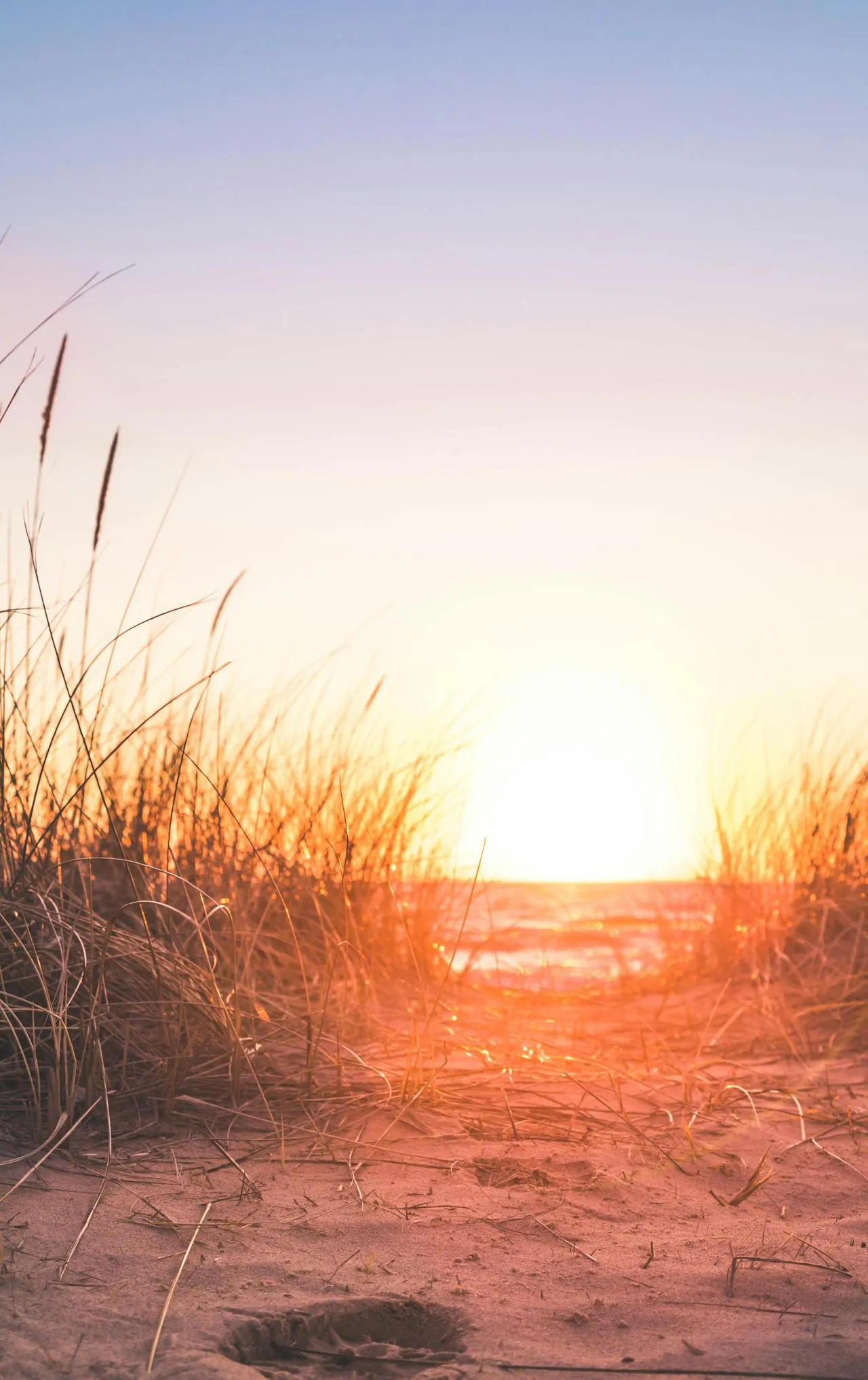
Gisborne — Tūranga-nui-a-Kiwa in te reo Māori — occupies a unique place in the world's geography: it is the first city in the world to greet each new day, positioned so close to the International Date Line that the sun rises here before anywhere else on earth that counts as an inhabited urban centre. This geographical distinction is something the city wears with quiet pride, marking significant dates — notably the turn of the millennium and recent significant Māori occasions — with ceremonies at the East Cape sunrise.
The city of around 35,000 people sits on Poverty Bay (a name Captain Cook gave it in 1769 because he found little to reprovision his ships, though the bay is anything but poor today), at the meeting point of three rivers — the Taruheru, Waimata, and Tūranganui — which converge to form the shortest river in New Zealand before entering the bay. The surrounding landscape is dramatic: steep, eroded hill country of the East Coast gives way to the Poverty Bay Flats, where the region's increasingly acclaimed wine industry is centred.
Gisborne is one of the most emphatically Māori cities in New Zealand: roughly 50 percent of the region's population identifies as Māori, and the Tūhoe, Ngāti Porou, and Rongowhakaata iwi maintain significant cultural, agricultural, and spiritual connections to the land. For visitors, this means a genuine encounter with living Māori culture is possible here in a way that feels natural rather than performed.
Getting to Gisborne
Gisborne Airport (GIS) is served by Air New Zealand with direct flights from Auckland (1 hour) and Wellington (1.5 hours). The airport sits just a few kilometres from the city centre. By road, Gisborne is approximately 5 hours from Auckland via Rotorua and Whakatāne (State Highway 2 through the Bay of Plenty), or 3 hours from Napier via the scenic Mahia Peninsula coastal road. InterCity coaches run from Auckland and Napier. The road to Gisborne from most directions passes through genuinely spectacular scenery — particularly the route along State Highway 35, the Pacific Coast Highway, which circles the East Cape from Ōpōtiki in the north and is one of the country's great drives.
Top Attractions in Gisborne
Titirangi Reserve & Cook's Cove
Titirangi is the hill overlooking Gisborne that has served as a spiritual and strategic lookout point for the Rongowhakaata people for centuries. Today it forms a scenic reserve with walking tracks that provide the best panoramic views of the city, the bay, and the East Coast hill country stretching to the horizon. The summit is crowned with a war memorial and provides orientation for the entire region.
Cook's Cove at Tolaga Bay, about 50 kilometres north of Gisborne on the Pacific Coast Highway, marks the spot where Captain James Cook anchored the Endeavour in October 1769 — his second New Zealand landing after the Gisborne encounter — and found fresh water, timber, and more favourable contact with the local Māori population. The walk to Cook's Cove from Tolaga Bay passes through farmland and native bush to reach the dramatic coastal cliffs and the cove itself, where a monument marks Cook's encampment. The adjacent Tolaga Bay Wharf, at 660 metres the longest wharf in New Zealand, is a pleasant stop in its own right.
Wainui & Midway Beaches
Gisborne's beaches are among the finest in the North Island, and the city's surf culture is a genuine and unpretentious part of its identity. Midway Beach in the city centre is the most accessible and is patrolled by lifeguards during summer; it hosts the annual Rhythm and Vines music festival at New Year. Wainui Beach, 6 kilometres north of the city, is the preferred break for experienced surfers — a consistent beach break with swell exposure that produces excellent conditions much of the year.
Beyond Wainui, the Makorori and Pouawa beaches further north offer more remote surfing with fewer crowds and stunning cliff scenery. The water is warm by New Zealand standards — the East Cape coast benefits from a warm current flowing south — making it comfortable for swimming and surfing from November through March. Surf schools operate from Gisborne offering lessons for all levels. The Makorori Beach surf break is one of the most picturesque in the North Island, with the eroded gold cliffs of the East Coast forming a dramatic backdrop.
Advertisement
Eastwoodhill Arboretum
Eastwoodhill Arboretum, located 35 kilometres northwest of Gisborne in the Ngatapa Valley, is one of the most extraordinary horticultural collections in New Zealand and the largest collection of Northern Hemisphere trees in the Southern Hemisphere. It was established from 1910 by William Douglas Cook, who spent six decades assembling a collection of over 3,000 different species across 135 hectares of rolling East Coast farmland.
The result is a landscape unlike anything else in New Zealand: mature oaks, elms, maples, chestnuts, and conifers imported from Britain, Europe, North America, and Asia, planted in naturalistic compositions across valleys, ridges, and open meadows. In autumn (March–May), the arboretum provides one of the finest foliage experiences in the country — a full spectrum of reds, oranges, golds, and burgundies that is particularly remarkable given the subtropical climate of the surrounding region. Spring brings cherry blossom, magnolias, and early flowering maples. The arboretum is open year-round, with a small admission charge. Self-guided and guided tours are available.
Rere Rockslide & Falls
Rere Rockslide and Falls in the Wharekopae River, about 50 kilometres northwest of Gisborne in the Poverty Bay hinterland, is one of New Zealand's most unusual natural attractions — a massive natural rock slide where a section of the riverbed has been smoothed by centuries of water flow into a natural waterslide approximately 60 metres long. Locals and visitors ride down the slide on boogie boards, rubber rings, or simply their clothing.
The adjoining Rere Falls is a wide, tiered waterfall dropping into a beautiful swimming hole surrounded by native bush — one of the most beautiful swimming spots on the East Coast. The combination of natural waterslide and waterfall makes this a genuine family adventure destination that feels completely authentic rather than purpose-built. Rubber rings can be hired from the road stall near the site. The drive from Gisborne through the Wharekopae Valley passes through classic East Coast pastoral country with impressive views of the Raukumara Range. The site is free to access.
Poverty Bay Wine Trail
Gisborne's Poverty Bay wine region is one of New Zealand's least known but most interesting — a warm, sunny coastal plain that produces wines of remarkable variety and quality. Chardonnay is the flagship variety: Gisborne chardonnay has a distinctive richness and roundness that distinguishes it from the leaner Marlborough style. Gewurztraminer and viognier are also produced here with considerable success, reflecting the warmer growing conditions. Pinot gris and merlot round out the region's portfolio.
The main wine producers — Millton Vineyard (New Zealand's first certified biodynamic winery), Matawhero Wines (established 1975, a Gisborne pioneer), and TW Wines among others — all offer cellar door tastings from their East Coast vineyards. The flat terrain and light traffic make cycling the wine trail an excellent option; bike hire is available in Gisborne. The Sunday Farmers' Market in Gisborne city centre provides an excellent companion experience to the wine trail, showcasing local produce including the region's excellent citrus fruits, avocados, and seafood.
Best Time to Visit Gisborne
Gisborne's East Cape location gives it a warm, sunny climate with a distinct surf culture. Summer (December–February) is peak season: beach weather, full surf conditions, and the famous Rhythm and Vines music festival at New Year drawing large crowds. The harvest season for the Poverty Bay wine region runs from February to April, with some cellar doors running harvest events. Autumn (March–May) provides the best conditions for the Eastwoodhill Arboretum's foliage display and comfortable cycling and walking. Winter (June–August) is mild and excellent for fishing and uncrowded surfing, though sea water temperatures drop. Spring (September–November) brings excellent weather and the beginning of the surf season.
Where to Stay
Gisborne's accommodation is concentrated in the city centre and along the beachfront. The Emerald Hotel and the Quality Hotel Emerald are the main full-service options in the CBD. For beachside accommodation, several motels and holiday parks along Wainui Beach offer direct beach access. The Portside Hotel overlooks the marina. Airbnb options in residential areas near the beach provide good value. For extended East Cape exploration, simple but charming accommodation exists in Tolaga Bay, Tokomaru Bay, and Tikitiki — traditional East Coast communities that offer genuine hospitality and extraordinary Māori carved churches along State Highway 35.
Food & Drink
Gisborne's café and restaurant scene is unpretentious but excellent. The Smash Palace is a legendary institution — a classic dive bar in a converted bus that has become one of New Zealand's most beloved local bars. The Marina district has the most concentrated range of restaurants and cafés. Local produce is the highlight: fresh seafood (particularly crayfish and pāua), avocados, citrus, and the region's increasingly respected wines. The Sunday morning market on Peel Street is a great introduction to local produce.
Practical Travel Tips
- East Cape Drive (SH35): The loop around the East Cape from Ōpōtiki is one of New Zealand's great road trips — allow 2–3 days to do it justice.
- Sunrise: The East Cape lighthouse at the tip of the cape offers genuinely dramatic first-in-the-world sunrise experiences if you camp or stay nearby.
- Māori culture: Gisborne region has an extraordinary concentration of carved Māori churches, marae, and cultural sites — the i-SITE has maps and context.
- Self-catering: Bring supplies for day trips into the hill country and along the East Cape — amenities are limited in some areas.
Stay in Gisborne
Find the best deals on hotels and accommodation in Gisborne for your holiday getaway.
Browse Hotels