A Complete Guide to Matariki in New Zealand
What is Matariki?
Matariki is the Māori name for the Pleiades star cluster, and it marks the beginning of the Māori New Year. When the cluster rises in late June or early July, it signals a time for remembrance, celebration, and looking forward to the future.
In 2022, Matariki became an official public holiday in New Zealand, making it one of the first countries in the world to recognise an indigenous celebration as a national holiday. In 2026, Matariki falls on Friday 10 July — a Friday long weekend and a wonderful opportunity to experience this unique celebration.
The History of Matariki as a Public Holiday
For centuries, Māori have observed the rising of Matariki as a marker of the new year. The date was not fixed — it varied with the Māori lunar calendar — but it consistently signalled a time to harvest, reflect, and plan for the year ahead.
While European colonisation marginalised many Māori traditions, Matariki observances survived in communities throughout Aotearoa. A modern Matariki revival began in the 1990s and 2000s, with communities, schools, and local councils increasingly recognising the significance of the occasion.
The push for a Matariki public holiday gained momentum through the early 2000s. In 2022, after years of advocacy, New Zealand became one of the first countries in the world to create an indigenous public holiday — a profound recognition of te ao Māori (the Māori world view) within the national calendar.
The date for Matariki is determined annually by the Matariki Advisory Committee, using the Māori lunar calendar. It always falls on a Friday between 20 June and 26 July.
The Nine Stars of Matariki
In Māori tradition, the Matariki cluster consists of nine stars, each with its own name and area of significance:
- Matariki — the mother star, connected to health and wellbeing of people and the environment
- Tupuānuku — connected to food grown in the ground (kūmara, root vegetables)
- Tupuārangi — connected to food from the sky (birds, berries, fruit)
- Waitī — connected to freshwater environments and their creatures
- Waitā — connected to the ocean, saltwater food sources, and sea creatures
- Waipuna-ā-Rangi — connected to rain and water from the sky
- Ururangi — connected to the winds and weather patterns
- Pōhutukawa — connected to remembering those who have died since the last Matariki
- Hiwa-i-te-rangi — the wishing star, connected to aspirations and goals for the new year
This nine-star framework is specific to the Tūhoe and some other iwi — other iwi may have slightly different traditions around the number and names of stars. Matariki acknowledges the diversity of Māori knowledge and practice across Aotearoa.
The Three Principles of Matariki
The Ministry of Culture and Heritage identifies three core themes that guide how Matariki is observed:
-
Remembrance (Aroha) — Honouring those who have passed away since the last rising of Matariki. Pōhutukawa star is associated with this theme, and it is traditional to call the names of those who have died so their essence is carried into the stars.
-
Celebrating the present (Tohatoha) — Sharing food (kai) with whānau and community. Traditionally, Matariki was celebrated after the harvest — the bounty of the land and sea was shared communally, with no one going hungry.
-
Looking to the future (Manako) — Making wishes and setting intentions for the year ahead. Hiwa-i-te-rangi (the wishing star) guides this theme. Planting trees, setting goals, and nurturing relationships are all associated with this principle.
How to Celebrate Matariki in 2026
Attend a Dawn Ceremony
Many communities hold dawn ceremonies (ata) on the morning of Matariki to welcome the stars as they rise. These are often deeply moving, combining karakia (prayer), waiata (song), and the ritual of speaking the names of those who have passed.
Check with local Māori organisations, iwi, and councils for events near you.
Go Stargazing
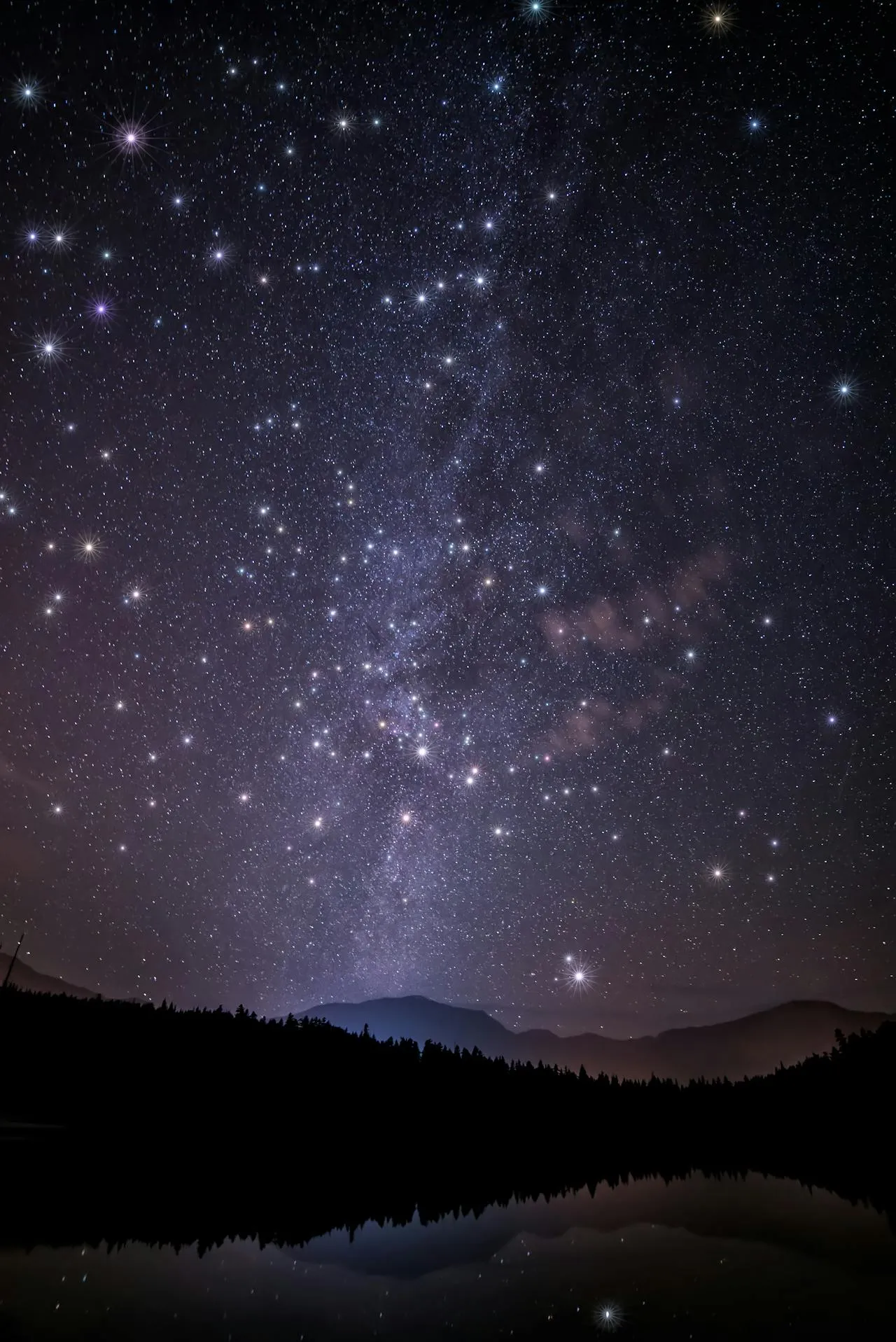
To see the Matariki star cluster, look towards the north-eastern horizon in the pre-dawn sky during late June and early July. The stars are best visible on clear, dark nights away from city lights.
Best stargazing locations:
- Aoraki Mackenzie Dark Sky Reserve (Canterbury) — one of the world's largest dark sky reserves, internationally certified
- Tekapo and Lake Pukaki — spectacular views with minimal light pollution
- Rural areas away from Auckland, Wellington, and Christchurch
Share Kai
The tradition of sharing food is central to Matariki. Whether it's a hangi (earth oven feast), a family dinner, or a community potluck, gathering around food with whānau and friends is the most meaningful way to celebrate.
Look for Matariki food events — many restaurants and cafés offer special menus featuring traditional Māori ingredients like kūmara, pūhā, and kaimoana (seafood).
Plant Something
Planting a tree, seeds, or a garden is a traditional Matariki activity symbolising growth and hope for the year ahead. The Department of Conservation's Trees That Count programme often runs Matariki planting events.
Visit Cultural Events
Major cities host diverse Matariki events across the long weekend:
- Auckland: Large-scale Matariki Festival with concerts, light installations, markets, and cultural performances
- Wellington: Te Papa Tongarewa hosts significant Matariki exhibitions; the city holds a lantern parade and other events
- Rotorua: Arguably the best city for an immersive Māori Matariki experience, with iwi-led events, cultural performances, and access to the Te Arawa heartland
- Hamilton: Waikato Museum and surrounding communities hold events reflecting the deep Māori history of the Waikato region
- Gisborne: As Te Tairāwhiti, the region that first greets the sun, Gisborne holds particular significance for Matariki
Fly a Kite
Kite flying (manu aute) has long been associated with Matariki — kites were traditionally used to communicate with the heavens. Many communities hold kite festivals and workshops during the Matariki period.
Matariki Stargazing Tips
To spot the Matariki cluster, use these tips:
- Timing: Look for Matariki in the pre-dawn sky (before sunrise) from around 20 June through to late July
- Direction: Face north-east and look up at about 45 degrees above the horizon
- Conditions: You need a clear, dark night — avoid city centres and nights with heavy cloud cover or a full moon
- What to look for: Matariki appears as a small fuzzy cluster of stars. Most people can see 5–7 stars with the naked eye; binoculars reveal more
- Apps: Stellarium or Star Walk apps can help you locate the Pleiades/Matariki before you head out
Dark sky reserves in New Zealand — including Aoraki Mackenzie and the Westland/Tai Poutini Dark Sky Reserve — offer exceptional Matariki viewing conditions.
Matariki at School
Since the early 2000s, many New Zealand schools have incorporated Matariki into their curriculum. Common activities include:
- Classroom discussions on the nine stars and their meanings
- Art projects (weaving, painting, kite making)
- Planting and garden projects
- Inviting kaumātua (elders) to share knowledge
- School performances and kapa haka
The Ministry of Education's Te Kete Ipurangi (TKI) platform offers extensive Matariki teaching resources.
Matariki and Employment
As a public holiday, Matariki carries standard New Zealand employment entitlements:
- If you work on Matariki, you are entitled to time and a half pay plus an alternative holiday, or time and a half pay if your employer agrees to that arrangement
- If you don't normally work on Fridays, Matariki is not a public holiday for you (it's a public holiday only for days you would otherwise work)
- Part-time and casual workers have different entitlements — check Employment New Zealand for details
FAQ: Matariki 2026
Q: When is Matariki 2026? A: Matariki falls on Friday 10 July 2026, creating a three-day long weekend (Friday to Sunday).
Q: Is Matariki a public holiday for everyone in New Zealand? A: Yes. Since 2022, Matariki is a national public holiday for all New Zealanders — the first indigenous public holiday in New Zealand and one of the first in the world.
Q: When does Matariki rise in 2026? A: The Matariki star cluster rises in the pre-dawn sky in late June, and the public holiday is timed to the Māori lunar calendar observation of this rising. The exact date is confirmed by the Matariki Advisory Committee each year.
Q: What is the difference between Matariki and the regular New Year? A: The regular New Year (1 January) follows the Gregorian calendar. Matariki follows the Māori lunar calendar and is associated with the rising of the Pleiades. It's a time for reflection, remembrance, and renewal — culturally distinct from the secular New Year celebrations.
Q: Can non-Māori celebrate Matariki? A: Absolutely. Matariki is a national public holiday and New Zealand's government and communities actively encourage all New Zealanders to learn about and celebrate it. Approaching Matariki with curiosity, respect, and a willingness to learn is the right attitude.
Q: What do shops and businesses do on Matariki? A: As a public holiday, standard New Zealand trading day rules apply. Many businesses operate reduced hours; employees who work on the day are entitled to public holiday pay. Check with specific retailers or attractions for their Matariki hours.
Advertisement